This post may contain affiliate links. As an Amazon Associate, I earn from qualifying purchases. If you choose to shop through my links, I may earn a small commission at no extra cost to you. I only share products I genuinely love or would use in my own home.
How to Set Up an Emergency Binder for Your Family (So You’re Not Scrambling in a Crisis)
I didn’t set up a family emergency binder because I’m naturally “on top of things.” I did it because one day I realized how many little details in our home live only in my head.
It happened during one of those normal, chaotic weeks — the kind where you’re juggling appointments, school stuff, work, groceries, and the endless mental tabs that never close. My husband needed a piece of insurance information for something simple, and I said, “Oh yeah, I know where it is,” like I always do.
Except… I didn’t.
I had a folder. Somewhere. And I had a screenshot. Somewhere. And I was pretty sure it was “in the drawer” — the one everyone in the house magically forgets exists until they need something important.
It wasn’t an emergency, but it gave me that sinking feeling anyway. Because I realized: if something actually happened — a medical emergency, a sudden trip, a situation where I couldn’t answer questions — my family would be stuck digging through random piles and guessing.
And I don’t say that to be dramatic. I say it because it was the moment I saw how much of our household runs on invisible work. The kind women do quietly. The kind no one notices until it’s missing.
So I made an emergency binder.
Not a scary binder. Not a “prepare for the worst” binder. A peace-of-mind binder. One place where our most important information lives — so if life ever throws something hard at us, the logistics are already handled.
If you’ve been meaning to get your important documents organized “someday,” this is your sign. I’m going to show you exactly how to set up an emergency binder for your family in a way that feels simple, doable, and (honestly) like a big exhale when it’s done.
If you’d rather not build one from scratch…
This ready-made emergency binder is beautifully organized and thoughtfully structured — perfect if you want something done-for-you that still feels elevated.
Shop the Emergency Binder →- 30+ labeled sections for the big stuff (medical info, allergies, passwords, legal paperwork, and more)
- Prime eligible, so it can show up fast if you’re ready to start this week
- Built-in pages for babysitter notes, pet care details, and emergency plans
- Reinforced + durable so it holds up to real-life use (not flimsy “one-and-done”)
- Clean, display-worthy design that looks intentional — not like office supply clutter

What Is an Emergency Binder?
An emergency binder (also called an in case of emergency binder, family emergency binder, or family emergency planner) is one organized place to keep the information your family would need if you weren’t able to answer questions, find documents, or handle the details.
It’s not about being dramatic. It’s about being prepared.
And if you’re the one who keeps everything running behind the scenes (hi, same), this binder is one of the most loving things you can do for the people you take care of.
Why Every Family Needs an Emergency Binder
Here’s the honest truth: in a lot of homes, women are the default keeper of the details.
- Passwords
- Insurance cards
- Medical history
- School forms
- Which account the mortgage comes out of
- Where the “important papers” actually live
An emergency binder turns “I think it’s somewhere…” into “It’s right here.”
It can reduce stress, prevent financial confusion, and make hard moments feel a little less chaotic — because the logistics are handled.
Emergency Binder Supplies: What You Need to Get Started
You truly don’t need anything fancy. Just something functional, easy to update, and easy for someone else to use.
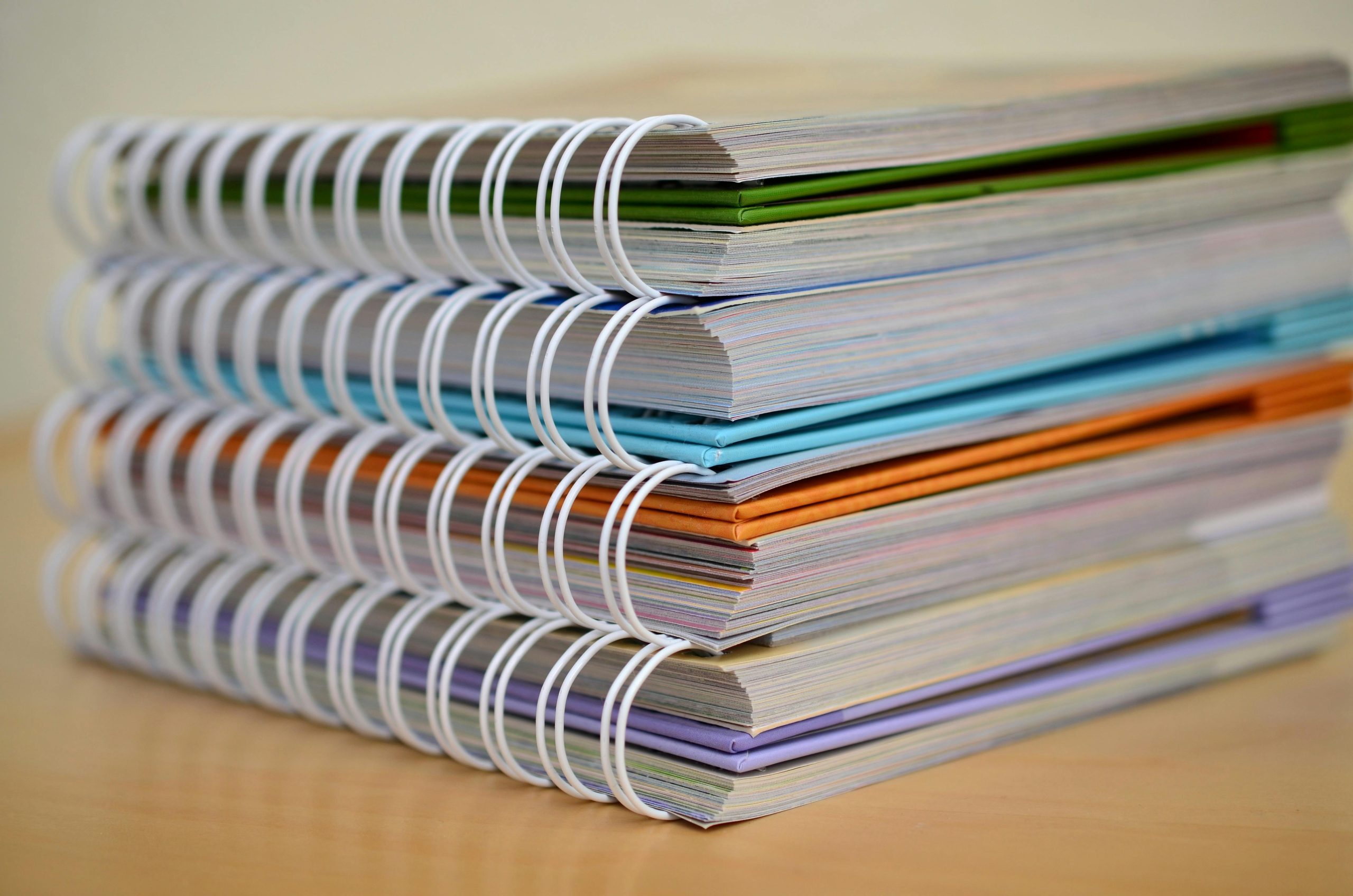
- A sturdy 2–3 inch 3-ring binder
- Tab dividers
- Sheet protectors (optional but helpful)
- A zipper pouch (for small items)
If you’re building your own, these are simple, no-fuss supplies I recommend:
How to Set Up an Emergency Binder for Your Family (Step by Step)
Step 1: Create Clear Sections
Start with dividers labeled like this (and adjust to fit your life):
- Quick Info
- Emergency Contacts
- Medical
- Insurance
- Financial
- Home & Utilities
- Kids
- Legal
- Notes / Updates
Even just setting up the tabs is progress. Once the structure is there, you can fill this in over a couple of evenings instead of trying to do it all in one intense Saturday.
Step 2: Add a “Quick Info” Page Right Up Front
This is the page someone would flip to first. Keep it simple and obvious.
- Full names + birthdays
- Home address
- Emergency meeting spot
- Where originals are stored (safe, safe deposit box, etc.)
- Who to call first
What to Put in an Emergency Binder (Complete Checklist)
You don’t need to include every piece of paper you own. You’re collecting the essentials — so someone can move forward without guessing.
Identification Documents
- Copies of driver’s licenses
- Birth certificates (copies)
- Passports (copies)
- Social Security cards (copies — store originals safely)
Medical Information
- Insurance cards (copies)
- Medication list + dosages
- Allergies
- Doctor and pediatrician contact info
- Immunization records
Insurance Policies
- Health insurance overview
- Auto insurance
- Homeowners/renters insurance
- Life insurance (policy info + contact numbers)
Financial Information
- Bank names and where accounts are held
- Mortgage or rent information
- Loan servicers (car, student loans, etc.)
- Credit card customer service numbers
- Monthly bills list (what’s due, when, and how it’s paid)
Note: You don’t have to write down full account numbers if that doesn’t feel safe to you. A clean “map” of where things are is often enough.
Legal and Estate Planning Documents
- Will
- Power of attorney
- Healthcare directive
- Guardianship instructions
Home & Utilities
- Utility providers + customer service numbers
- Internet provider info + access plan
- Alarm/security company details
- Home repair contacts (plumber, electrician, etc.)
Kids (and Pets, if you have them)
- School name + teacher
- Pickup instructions
- Activity schedules
- Allergies/meds + comfort notes
- Pet vet info + vaccination records
Emergency Binder Checklist (Quick Reference)
- Identification copies
- Emergency contacts list
- Medical information + insurance cards
- Financial account overview
- Monthly bills summary
- Legal and estate planning documents
- Home and utility information
- Children’s routines and school details
- Password access instructions
Is an Emergency Binder the Same as an Emergency Preparedness Binder?
Some people call this an emergency preparedness binder or disaster preparedness binder. The goal is similar — to keep important family records organized and accessible during stressful situations.
An emergency preparedness binder may also include:
- Evacuation plans
- Emergency contacts outside your state
- Pet vaccination records
- Disaster supply lists
Where to Store Your Emergency Binder
- Somewhere easy for you to access
- Somewhere easy for a trusted person to find
- In a consistent location (so nobody has to guess)
Tell at least one trusted person where it is. This is the part people skip, and it’s kind of the whole point.
How to Include Passwords Safely
Please don’t keep a full password list in a binder that could be found or misplaced.
Instead, include a simple “access plan,” like:
- The name of your password manager (or where passwords are stored)
- How someone would access it in an emergency
- Where the master password is stored securely (not inside the binder)
What NOT to Put in Your Emergency Binder
- Original Social Security cards
- Large amounts of cash
- Full password lists
Keep originals in a safe, and use your binder for copies, summaries, and “here’s where to find it” instructions.
How to Organize Important Documents at Home (Without Burnout)
If paperwork feels scattered — random drawers, piles you avoid, old folders you haven’t opened in years — you’re not alone.
The easiest way to organize important documents at home is to create one central system. Start by gathering everything into one place, sort into categories, and then file intentionally.
If you want a simple, stress-free system specifically for organizing tax paperwork, this guide walks you through it step-by-step: How to Organize Tax Documents at Home: A Simple, Stress-Free System .
And if you’re working on financial organization as a whole, this weekly rhythm makes everything easier: The Simple Weekly Money Routine That Keeps My Finances Organized .
How Often Should You Update Your Emergency Binder?
- Review once a year
- Update after major life changes (new baby, new job, move, new insurance)
- Swap in new policy pages when they change
FAQ: Emergency Binder for Families
What should be in a family emergency binder?
A family emergency binder should include emergency contacts, medical and insurance information, financial account overviews, key legal documents, and basic instructions for childcare and home needs — organized in clearly labeled sections so someone can find what they need quickly.
Where should I keep my emergency binder?
Keep your emergency binder somewhere consistent and easy to access (like a home office cabinet or a designated drawer). Tell at least one trusted person exactly where it is.
Should I include originals or copies?
In most cases, include copies in your binder and store originals in a safe. The binder’s job is quick access and guidance — without creating a security risk.
How long does it take to set up an emergency binder?
You can set up the basic structure in under an hour (tabs + quick info page). Filling in the sections can be done gradually — even 15 minutes at a time. Progress matters more than perfection.
Final Thoughts: Creating an Emergency Binder Is an Act of Love
Setting up an emergency binder for your family isn’t about fear. It’s about clarity. It’s about organizing your important documents so your family isn’t left guessing during difficult moments.
Start small. Label the tabs. Create the quick info page. Add one section at a time.
You don’t have to do it perfectly. You just have to begin.
If you’re building yours this week, tell me — what section are you starting with first?